
A Lesson Hidden in NFL Pregame Coverage
The NFL football season began this past weekend, and there was an interesting lesson in mentorship buried in the pregame fodder on ESPN.The relationship between veteran starting quarterbacks and their understudies was explored. Much of this got buried in a bit of a controversy, as headlines read, “Bledsoe Slams Romo,” but more on that later.
Why Mentorship Between QB1 and QB2 Is Challenging
The Structural Problem With Quarterback Mentorship
First off, the dynamics for mentorship between QB1 and QB2 are not ideal. There is little incentive for the starter to help prepare his understudy. In the piece, Brett Favre went so far as to say that mentoring Aaron Rodgers was not part of his job description. Successfully providing guidance and encouragement prepares the back-up to take over your job. In the cruel world of professional football, this often doesn’t happen on your preferred timeframe.The Business Parallel to NFL Mentorship
Why Managers and Mentors Are Often Different People
In the business world, a manager and a mentor are often different people. The mentor is commonly at least two levels higher in the organization than the mentee, and sometimes they are in a different position altogether, equivalent to a veteran linebacker mentoring a rookie safety. In football, there is not the complication of the junior person reporting to the senior player, but the relationship is characterized by jealousy and insecurity on the part of the mentor and by impatience and ego on the part of the mentee.Drew Bledsoe’s Career and the Quarterback Transition
From Franchise Quarterback to Replacement
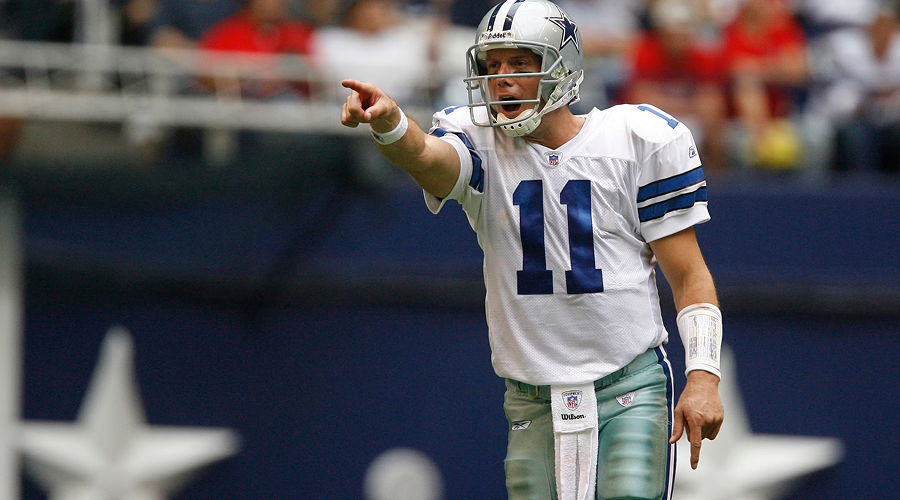
Now on to Drew Bledsoe. After a stellar college career at Washington State University, he was the first selection in the 1993 draft by New England, and he was immediately installed as the starting quarterback. He led the Patriots to two playoff appearances and was rewarded in 2001 with the largest contract in league history, a year after the Patriots drafted a prospect named Tom Brady as his back-up. In the second game of the 2001 season, Bledsoe took a brutal hit and left the game with serious internal bleeding. Brady took over, led the team to its first Super Bowl win and claimed the starting QB role from Bledsoe. Bledsoe spent a couple of years in Buffalo, then to the Dallas Cowboys. In his second year as a starter with the Cowboys, he was benched during a poor performance and was replaced by fourth-year backup, Tony Romo.Mentoring Brady and Romo
Different Responses to the Same Opportunity
Both Brady and Romo were eager to learn from Drew, knowing he could help them get better. Neither had the draft pedigree that Bledsoe had. Brady was famously drafted in the sixth round; Romo wasn’t drafted at all, being signed by the Cowboys as an undrafted free agent. Bledsoe was interviewed about playing with, and mentoring, Brady and Romo. He referred to Brady as “a sponge,” and “curious, almost annoyingly so. Bledsoe never saw Brady as a threat because he as “soaking up all this information.”Drew Bledsoe’s Candid Assessment of Tony Romo
When Curiosity Disappears
His comments on Romo were blunt:“If you’re watching this, Romo, you know this is true. The minute that he became the starter, he became pretty big in his own mind. And he was no longer the curious, inquisitive guy.
“That was the difference between him and Tommy. Tommy became the starter, he still was asking all the questions where all of a sudden Romo was the guy that had all the answers.”
Lessons From the ESPN Segment
What Leaders Can Take Away
A few lessons from the ESPN segment featuring Bledsoe:- Not everybody is cut out to be a mentor. Case in point, Brett Favre.
- The world is richer for mentors who help the next generation, even if they personally pay a price for their contribution.
- Those who receive mentoring are likely to pass it along. Those who don’t, might not. Case in point, Aaron Rodgers.
- Greatness comes from continually learning, asking questions, listening.
- Some of us wrongly think that, when we’ve arrived, there is nothing more we can learn.
