Resilience in Leadership: Building Strength That Holds Under Pressure
|
-- Days
:
-- Hours
:
-- Mins
:
-- Secs
Reserve Your Seat →

From Aspiring to Leading: Tailored Coaching Strategies for Emerging Leaders

Executive Springboard emerging leaders

By guest author Elena Stewart. Elena is a certified life coach who works with entrepreneurs and aspiring corporate leaders.

​Today’s world is in constant flux, heightening the need for leaders who can adeptly manage complexities with foresight and agility. Whether you’re a young individual beginning to explore leadership roles or an adult aiming to refine your leadership capabilities, personalized coaching offers a path to significant growth. Strategic coaching techniques can tap into your innate strengths, enabling you to advance confidently in your leadership development. With each session, you’ll find yourself better equipped to handle the challenges and responsibilities of a leader.

Discover and Build on Your Unique Strengths
Every leader brings a unique set of strengths and abilities to the table. As you begin your coaching journey, focus on identifying these innate talents. Your coach will help you recognize these personal attributes and learn how to leverage them effectively in various leadership scenarios. This tailored approach ensures that your leadership style is authentic and grounded in your natural capabilities, making you a leader and a confident one who truly understands your potential and how to utilize it.

Set Clear Goals and Embrace Support
Defining clear and realistic leadership goals is a pivotal step in your development. Work with your coach to set these objectives, ensuring they align with your long-term aspirations. Once your goals are in place, regular follow-ups become crucial. These check-ins allow you to reflect on your progress and tackle challenges under your coach’s guidance. This consistent support keeps you on track and reinforces your commitment to your leadership journey.

Enhance Skills with Online Education
An online degree offers a strategic approach to bolstering your leadership capabilities in sync with your busy lifestyle. Consider a business degree, which hones your leadership skills and sharpens your business acumen, equipping you to excel in both arenas. The beauty of online education lies in its flexibility, enabling you to manage your studies alongside professional and personal commitments — check this out if you aim to enhance your leadership journey without pausing other aspects of your life.

Foster Open Communication Through Active Listening
As a leader, mastering the art of listening is as important as being articulate. In coaching sessions, you should focus on listening actively. This practice allows you to express your thoughts freely and provides your coach with insights into your thought processes, concerns, and ambitions. Through empathetic feedback and open lines of communication, a trusting relationship is fostered, enhancing the effectiveness of the coaching experience.

Engage with Diverse Perspectives
Authentic leadership flourishes through dynamic interactions and the integration of diverse viewpoints. As you develop your skills, actively seek out and connect with people across various industries, cultural backgrounds, and experience levels. Such rich, varied dialogue will deepen your insight into global leadership dynamics and spark creative solutions for your leadership hurdles. Embrace these opportunities to expand your worldview and enhance your leadership effectiveness.

Practice Through Role-Playing
Role-playing exercises are an excellent way to practice leadership skills in a controlled yet dynamic environment. These simulations can mimic real-world scenarios, offering you a safe space to experiment with different leadership styles and strategies. Through such practical exercises, you can gain confidence and receive immediate feedback from your coach, which is invaluable in fine- tuning your approach to real-life leadership situations.

Reflect Regularly
Self-reflection is a cornerstone of effective leadership. By regularly engaging with the tools and prompts your coach provides, you delve deeply into evaluating your leadership decisions and their repercussions. This deliberate introspection is essential, enabling you to constantly evolve personally and professionally. Through this process, you pinpoint your core strengths and identify crucial areas to enhance your leadership capabilities.

Effective coaching is a catalyst for developing robust leadership skills. It offers a personalized approach that highlights your unique strengths and supports you in achieving well-defined goals. As you continue to grow and adapt, remember that leadership is a journey of constant learning and personal evolution. Embrace
each step with commitment and an open mind, and watch as you transform your life and those around you.

Executive Springboard Kevin Wildes interview

Kevin Wilde talks about his Coachability Practices Review (CPR) assessment and how we rely on those people who are willing to tell us what we need to hear.

Executive Springboard Peter Himmelman interview

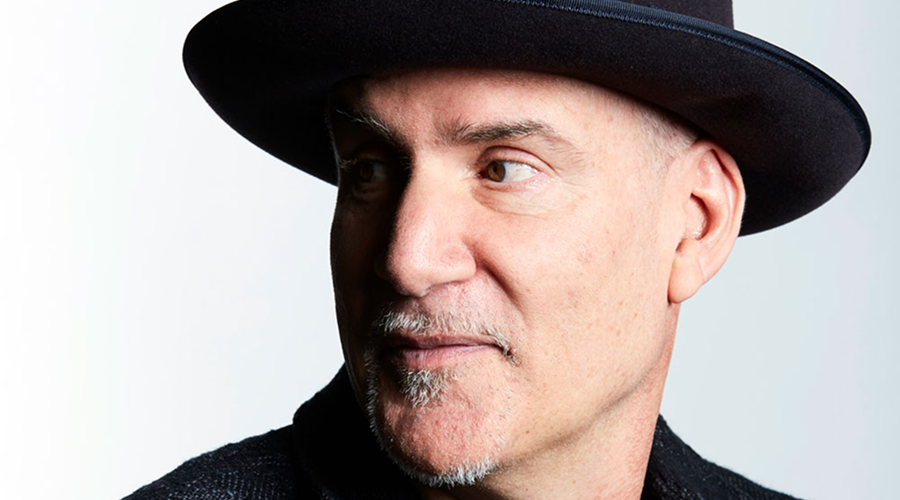
Executive Springboard mentor Peter Himmelman talks about his book, Let me Out: Unlock your Creative Mind and Bring your Ideas to Life. 

leadership lessons for mentoring executives with Executive Springboard

A Lesson Hidden in NFL Pregame Coverage

The NFL football season began this past weekend, and there was an interesting lesson in mentorship buried in the pregame fodder on ESPN.

The relationship between veteran starting quarterbacks and their understudies was explored. Much of this got buried in a bit of a controversy, as headlines read, “Bledsoe Slams Romo,” but more on that later.

Why Mentorship Between QB1 and QB2 Is Challenging

The Structural Problem With Quarterback Mentorship

First off, the dynamics for mentorship between QB1 and QB2 are not ideal. There is little incentive for the starter to help prepare his understudy. In the piece, Brett Favre went so far as to say that mentoring Aaron Rodgers was not part of his job description. Successfully providing guidance and encouragement prepares the back-up to take over your job. In the cruel world of professional football, this often doesn’t happen on your preferred timeframe.

The Business Parallel to NFL Mentorship

Why Managers and Mentors Are Often Different People

In the business world, a manager and a mentor are often different people. The mentor is commonly at least two levels higher in the organization than the mentee, and sometimes they are in a different position altogether, equivalent to a veteran linebacker mentoring a rookie safety. In football, there is not the complication of the junior person reporting to the senior player, but the relationship is characterized by jealousy and insecurity on the part of the mentor and by impatience and ego on the part of the mentee.

Drew Bledsoe’s Career and the Quarterback Transition

From Franchise Quarterback to Replacement

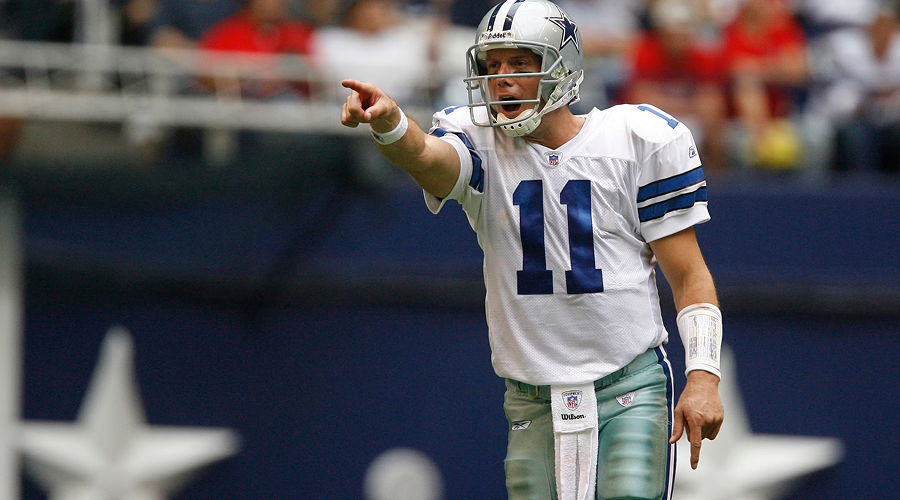
Now on to Drew Bledsoe. After a stellar college career at Washington State University, he was the first selection in the 1993 draft by New England, and he was immediately installed as the starting quarterback. He led the Patriots to two playoff appearances and was rewarded in 2001 with the largest contract in league history, a year after the Patriots drafted a prospect named Tom Brady as his back-up. In the second game of the 2001 season, Bledsoe took a brutal hit and left the game with serious internal bleeding. Brady took over, led the team to its first Super Bowl win and claimed the starting QB role from Bledsoe. Bledsoe spent a couple of years in Buffalo, then to the Dallas Cowboys. In his second year as a starter with the Cowboys, he was benched during a poor performance and was replaced by fourth-year backup, Tony Romo.

Mentoring Brady and Romo

Different Responses to the Same Opportunity

Both Brady and Romo were eager to learn from Drew, knowing he could help them get better. Neither had the draft pedigree that Bledsoe had. Brady was famously drafted in the sixth round; Romo wasn’t drafted at all, being signed by the Cowboys as an undrafted free agent. Bledsoe was interviewed about playing with, and mentoring, Brady and Romo. He referred to Brady as “a sponge,” and “curious, almost annoyingly so. Bledsoe never saw Brady as a threat because he as “soaking up all this information.”

Drew Bledsoe’s Candid Assessment of Tony Romo

When Curiosity Disappears

His comments on Romo were blunt:

“If you’re watching this, Romo, you know this is true. The minute that he became the starter, he became pretty big in his own mind. And he was no longer the curious, inquisitive guy.

“That was the difference between him and Tommy. Tommy became the starter, he still was asking all the questions where all of a sudden Romo was the guy that had all the answers.”

Lessons From the ESPN Segment

What Leaders Can Take Away

A few lessons from the ESPN segment featuring Bledsoe:
  • Not everybody is cut out to be a mentor. Case in point, Brett Favre.
  • The world is richer for mentors who help the next generation, even if they personally pay a price for their contribution.
  • Those who receive mentoring are likely to pass it along. Those who don’t, might not. Case in point, Aaron Rodgers.
  • Greatness comes from continually learning, asking questions, listening.
  • Some of us wrongly think that, when we’ve arrived, there is nothing more we can learn.

A Final Word on Trust in Mentorship

The Fight Club Rule of Mentoring

And, Mr. Bledsoe, while I learned something from your transparency, there is a corollary between mentoring and the first rule of Fight Club. You don’t talk about it without breaking the trust at its foundation!

FREQUENTLY ASKED QUESTIONS

Mentorship between QB1 and QB2 is challenging because the starting quarterback has little incentive to prepare the person most likely to take his job. As highlighted in the ESPN segment, helping a backup succeed often accelerates the starter’s own replacement, which creates natural tension and reluctance to fully mentor.
In both football and business, effective mentorship usually does not occur between direct competitors or direct reporting relationships. Just as managers and mentors are often different people in organizations, mentorship in football works better when there is less insecurity, competition, and risk tied to the relationship.
Drew Bledsoe mentored both Tom Brady and Tony Romo, but he observed a key difference in their approach. Brady remained curious and continued asking questions even after becoming the starter, while Romo, according to Bledsoe, stopped being inquisitive once he secured the starting role.
The segment highlights that not everyone is suited to be a mentor, that true mentors often help others even at personal cost, and that greatness comes from continual learning. It also reinforces the idea that believing you have “arrived” can stop growth, and that trust is a critical foundation of any mentoring relationship.

    Need Any Help?